
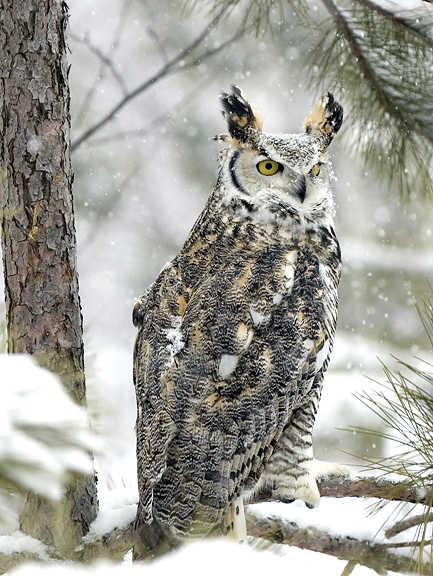
 The Great Horned Owl is the most powerful and largest of the
North American owls. Its wingspan is 4-5’
from tip to tip with the females being larger than the males. It is named after the feather tufts resembling
horns on its head which are often mistaken for ears. Its real ears are covered by special feathers
located behind the facial dish feathers.
These allow it to hear the slightest sound up to 900 feet away. A fierce predator, it has the most diverse
diet of all the owls. This ranges from large
raptors including other horned owls, to insects. It is one of the few animals that will eat skunks. It mainly hunts by watching and waiting on a
perch. When its prey passes, it will
quietly swoop down, extend its 4X8” talons and apply a grip onto its victim that
can range up to 28 pounds. This usually
severs its spine. They start nesting in
January by lining an abandoned nest with feathers. Usually the female incubates the 1 – 4 eggs for
30 – 37 days while her mate brings her food.
Six weeks after hatching, the owlets will explore the nest area and by 9
weeks they can fly. Their parents will
continue to feed and care for the fledglings for months, often as late as
October. Great Horned owls take
life-long mates and together vigorously defend their territories especially in
the winter and fall when the young are most vulnerable. They are considered
nocturnal with most of their activity being at dusk and just before dawn. However when food is short, especially in the
winter, they will continue to hunt during the daylight hours. Known to live up to 28 years, this bird is the
symbol of wisdom and good luck to all that see it. (Photo: NH Fish & Game)
The Great Horned Owl is the most powerful and largest of the
North American owls. Its wingspan is 4-5’
from tip to tip with the females being larger than the males. It is named after the feather tufts resembling
horns on its head which are often mistaken for ears. Its real ears are covered by special feathers
located behind the facial dish feathers.
These allow it to hear the slightest sound up to 900 feet away. A fierce predator, it has the most diverse
diet of all the owls. This ranges from large
raptors including other horned owls, to insects. It is one of the few animals that will eat skunks. It mainly hunts by watching and waiting on a
perch. When its prey passes, it will
quietly swoop down, extend its 4X8” talons and apply a grip onto its victim that
can range up to 28 pounds. This usually
severs its spine. They start nesting in
January by lining an abandoned nest with feathers. Usually the female incubates the 1 – 4 eggs for
30 – 37 days while her mate brings her food.
Six weeks after hatching, the owlets will explore the nest area and by 9
weeks they can fly. Their parents will
continue to feed and care for the fledglings for months, often as late as
October. Great Horned owls take
life-long mates and together vigorously defend their territories especially in
the winter and fall when the young are most vulnerable. They are considered
nocturnal with most of their activity being at dusk and just before dawn. However when food is short, especially in the
winter, they will continue to hunt during the daylight hours. Known to live up to 28 years, this bird is the
symbol of wisdom and good luck to all that see it. (Photo: NH Fish & Game)Thursday, January 19, 2017
Great Horned Owl
The Great Horned Owl is the most powerful and largest of the
North American owls. Its wingspan is 4-5’
from tip to tip with the females being larger than the males. It is named after the feather tufts resembling
horns on its head which are often mistaken for ears. Its real ears are covered by special feathers
located behind the facial dish feathers.
These allow it to hear the slightest sound up to 900 feet away. A fierce predator, it has the most diverse
diet of all the owls. This ranges from large
raptors including other horned owls, to insects. It is one of the few animals that will eat skunks. It mainly hunts by watching and waiting on a
perch. When its prey passes, it will
quietly swoop down, extend its 4X8” talons and apply a grip onto its victim that
can range up to 28 pounds. This usually
severs its spine. They start nesting in
January by lining an abandoned nest with feathers. Usually the female incubates the 1 – 4 eggs for
30 – 37 days while her mate brings her food.
Six weeks after hatching, the owlets will explore the nest area and by 9
weeks they can fly. Their parents will
continue to feed and care for the fledglings for months, often as late as
October. Great Horned owls take
life-long mates and together vigorously defend their territories especially in
the winter and fall when the young are most vulnerable. They are considered
nocturnal with most of their activity being at dusk and just before dawn. However when food is short, especially in the
winter, they will continue to hunt during the daylight hours. Known to live up to 28 years, this bird is the
symbol of wisdom and good luck to all that see it. (Photo: NH Fish & Game)
Thursday, January 12, 2017
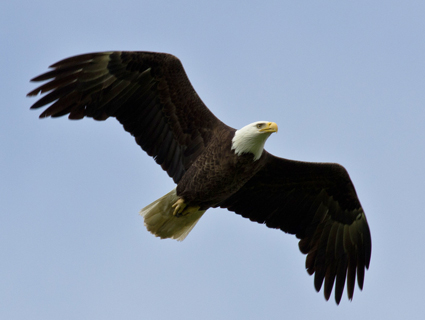
The National Bird
Tuesday, October 25, 2016
Women's Hiking Oct 25 & 27 - Aldrich Park
The DC Women's Hiking Group will hike this week (Oct 25 & 27) at Aldrich Park in Ridgefield.
From Rt. 35 take Farmingville Rd.
Follow until you reach New Rd. Turn left onto New Rd.
Parking area will be on the left.
Meet at 8:30am.
Contact info or questions: Mendy Polchinski at mmpolchinski@gmail.com or 203-241-1770 cell.
From Rt. 35 take Farmingville Rd.
Follow until you reach New Rd. Turn left onto New Rd.
Parking area will be on the left.
Meet at 8:30am.
Contact info or questions: Mendy Polchinski at mmpolchinski@gmail.com or 203-241-1770 cell.
Saturday, October 22, 2016
Why the Fall Colors
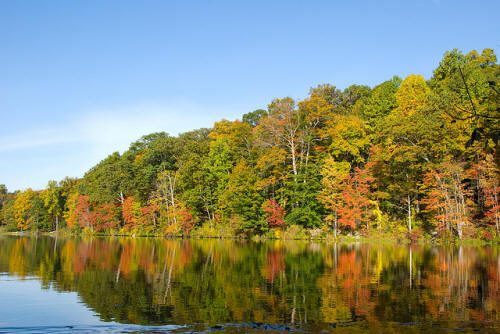
The days are growing
shorter and New England comes alive with color. Why such great color here? The
answer lies in our mixed deciduous hardwood forests and our climate. First -
Why Color? Leaves are the food factory of a plant. During the summer the leaf's
green chlorophylls are working hard to produce food for the plant's survival.
They are so abundant, they mask out the other pigments in the leaf. But
chlorophylls are very unstable and they must be constantly replaced. As the
sunlight diminishes, they are replaced at a slower and slower pace. Eventually
the other pigments called caroteniods start to become unmasked. These appear
yellow or orange or many hues in-between. The birch or beech trees have an
abundance of these.
As time progresses less
water and nutrients can enter or exit the leaf. This causes a backlog of
chemicals. In some plants, these trapped chemicals, plus light causes
anthocyanins to form. These create the reds and purples. The brighter the light
during this period, the greater number of anthocyanins are produced and the
brighter the color. Some plants like sumacs have so much anthocyanins that they
mask the caroteniods completely. While others like the sugar maple slowly
produce it so that their leaves first turn yellow, orange then red. But some
like the birch can't produce it at all.
Dry sunny days followed
by cool dry nights enable the above processes to create the brightest colors.
The best variety of color comes from hardwood deciduous forests which contain a
wide assortment of trees. New England's climate and forests meet both
requirements for world class fall foliage.
Friday, September 30, 2016
Women's Hiking Group - Oct 4th
The DC Women's Hiking Group will hike this week, Tuesday, Oct 4 and Thursday, Oct 6th at Tarrywille Park in Danbury:
From I-84 take the airport exit.
At end of ramp turn right.
Follow through traffic lights and at stop sign turn onto Southern Blvd. ( It will be a sharp right turn).
Follow small brown signs for Tarrywile Park.
The park will be on the right, across from Immaculate H.S.
Meet in lower parking lot at 8:30am.
From I-84 take the airport exit.
At end of ramp turn right.
Follow through traffic lights and at stop sign turn onto Southern Blvd. ( It will be a sharp right turn).
Follow small brown signs for Tarrywile Park.
The park will be on the right, across from Immaculate H.S.
Meet in lower parking lot at 8:30am.
Friday, September 23, 2016
Andromeda’s Story
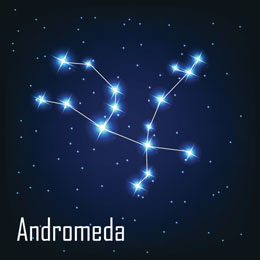 To the ancients the sky was their calendar. They used it to predict the
changing of the seasons by watching the patterns of stars as they moved across the
sky. How better to remember these
sequences, than by a story. Andromeda’s
story includes five autumn constellations.
It begins with her parents, King Cepheus & Queen Cassiopeia of
Aethiopia. Cassiopeia, already known for
her extreme vanity, declared that her daughter was more beautiful than the Sea
Nymphs. Greatly insulted, the Sea Nymphs turned to the
God of the Sea, Poseidon for revenge. He
sent a great monster Cetus to ravage the coast of Aethiopia. A desperate Cepheus, consulted the Oracle of Apollo
who declared the only way to stop the carnage, was to sacrifice Andromeda to Cetus. Stripped naked the poor girl was chained to a
rock to await her fate. As chance would
have it, Perseus was flying by on the Great Flying Horse, Pegasus. He was returning from slaying the snake
haired Medusa and thus was still carrying Hades’ magical Helm of Invisibility,
Athena’s Mirrored Shield, and a sword
forged by the God Hephaetus. He easily
slayed Cetus and immediately took Andromeda for his wife. Together they had seven sons and two
daughters and are credited as being the ancestors of the Persians. After her death, according to a Greek play, Athena placed her in the sky along with her hero husband. And thus they lived "Happily Ever After". Photo: http://www.buzzle.com/articles/andromeda-constellation.html
To the ancients the sky was their calendar. They used it to predict the
changing of the seasons by watching the patterns of stars as they moved across the
sky. How better to remember these
sequences, than by a story. Andromeda’s
story includes five autumn constellations.
It begins with her parents, King Cepheus & Queen Cassiopeia of
Aethiopia. Cassiopeia, already known for
her extreme vanity, declared that her daughter was more beautiful than the Sea
Nymphs. Greatly insulted, the Sea Nymphs turned to the
God of the Sea, Poseidon for revenge. He
sent a great monster Cetus to ravage the coast of Aethiopia. A desperate Cepheus, consulted the Oracle of Apollo
who declared the only way to stop the carnage, was to sacrifice Andromeda to Cetus. Stripped naked the poor girl was chained to a
rock to await her fate. As chance would
have it, Perseus was flying by on the Great Flying Horse, Pegasus. He was returning from slaying the snake
haired Medusa and thus was still carrying Hades’ magical Helm of Invisibility,
Athena’s Mirrored Shield, and a sword
forged by the God Hephaetus. He easily
slayed Cetus and immediately took Andromeda for his wife. Together they had seven sons and two
daughters and are credited as being the ancestors of the Persians. After her death, according to a Greek play, Athena placed her in the sky along with her hero husband. And thus they lived "Happily Ever After". Photo: http://www.buzzle.com/articles/andromeda-constellation.htmlThursday, April 28, 2016
Lady Slippers
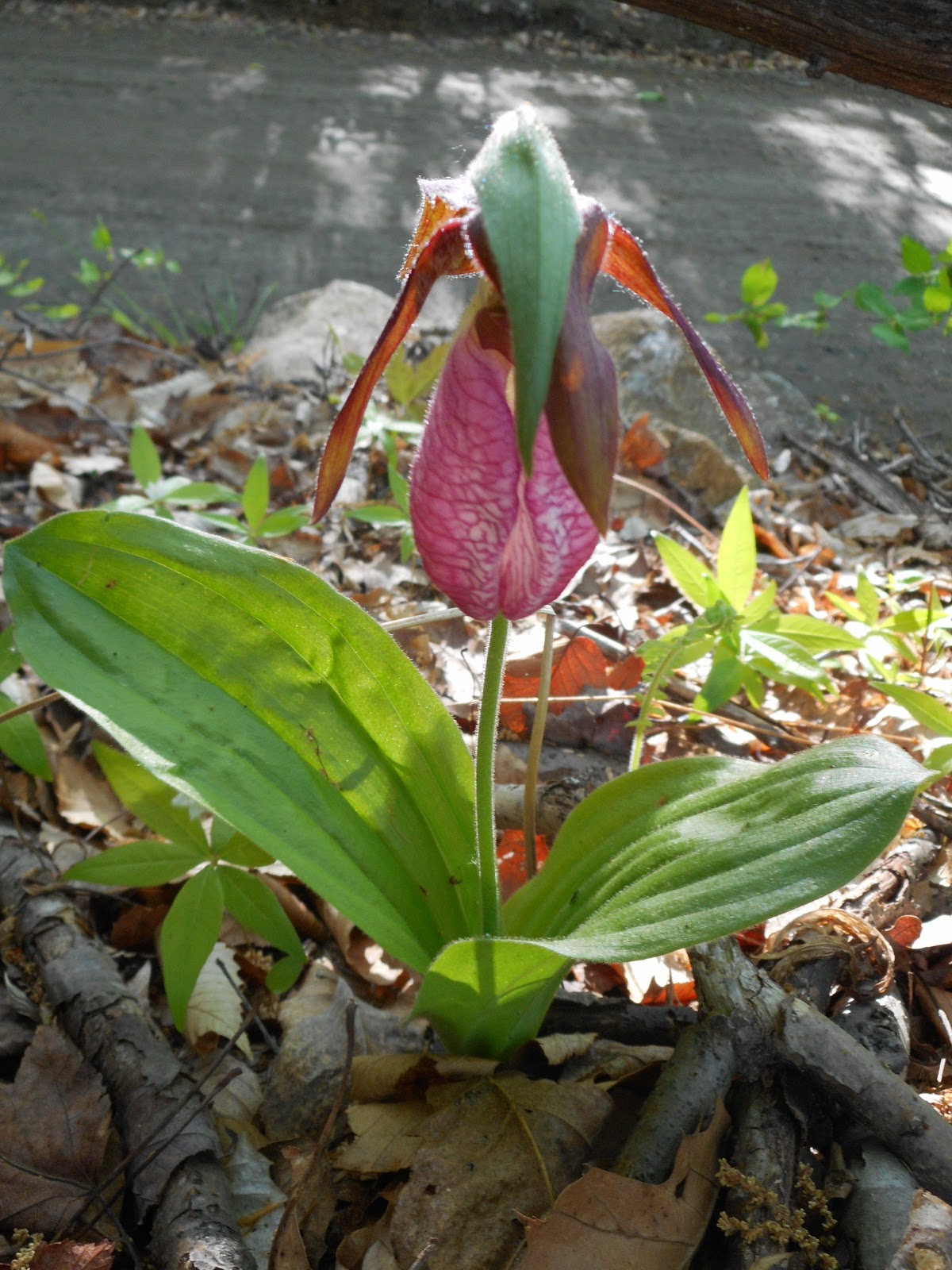 Lady Slippers are so special that when discovered it is like
finding a treasure. Wildflower lovers
will keep their location secret, in fear that those who don’t understand their complexity
will pick them or dig them up. Both
spell disaster to the plant. Just to
germinate, they require acidic soil that contains a fungus of the Rhizoctonia
genus. Like most orchids, their seeds do
not contain a food supply. Under the
right conditions, the fungus will crack the seed and attach itself. It will pass along nutrients to promote
germination and growth. Once the plant is
established and producing its own nutrients, the fungus will extract food
from the slipper’s roots. In this way,
both benefit from their relationship.
Lady Slippers take years to reach the flowering stage and bees are its
sole pollinator. Attracted by color and
scent, the bee enters through the front slit into a one-way labyrinth that
contains no nectar. Near the exit, hairs
will grab onto any pollen the bee may be carrying before depositing new pollen
onto its back. Such an elaborate system
leads to very few flowers being pollinated.
However, a pollinated flower can produce 60,000 seeds. In that a Lady Slipper’s average life span is
20 years with some living much longer, they have a long time to successfully produce
one pollinated flower. (Photo: Donna Roscoe)
Lady Slippers are so special that when discovered it is like
finding a treasure. Wildflower lovers
will keep their location secret, in fear that those who don’t understand their complexity
will pick them or dig them up. Both
spell disaster to the plant. Just to
germinate, they require acidic soil that contains a fungus of the Rhizoctonia
genus. Like most orchids, their seeds do
not contain a food supply. Under the
right conditions, the fungus will crack the seed and attach itself. It will pass along nutrients to promote
germination and growth. Once the plant is
established and producing its own nutrients, the fungus will extract food
from the slipper’s roots. In this way,
both benefit from their relationship.
Lady Slippers take years to reach the flowering stage and bees are its
sole pollinator. Attracted by color and
scent, the bee enters through the front slit into a one-way labyrinth that
contains no nectar. Near the exit, hairs
will grab onto any pollen the bee may be carrying before depositing new pollen
onto its back. Such an elaborate system
leads to very few flowers being pollinated.
However, a pollinated flower can produce 60,000 seeds. In that a Lady Slipper’s average life span is
20 years with some living much longer, they have a long time to successfully produce
one pollinated flower. (Photo: Donna Roscoe)
Subscribe to:
Posts (Atom)

 Posts
Posts

